
Supporting Your Body's Natural Drainage System
Manual Lymphatic Drainage in Redding for post-surgical swelling, fluid retention, and immune system support
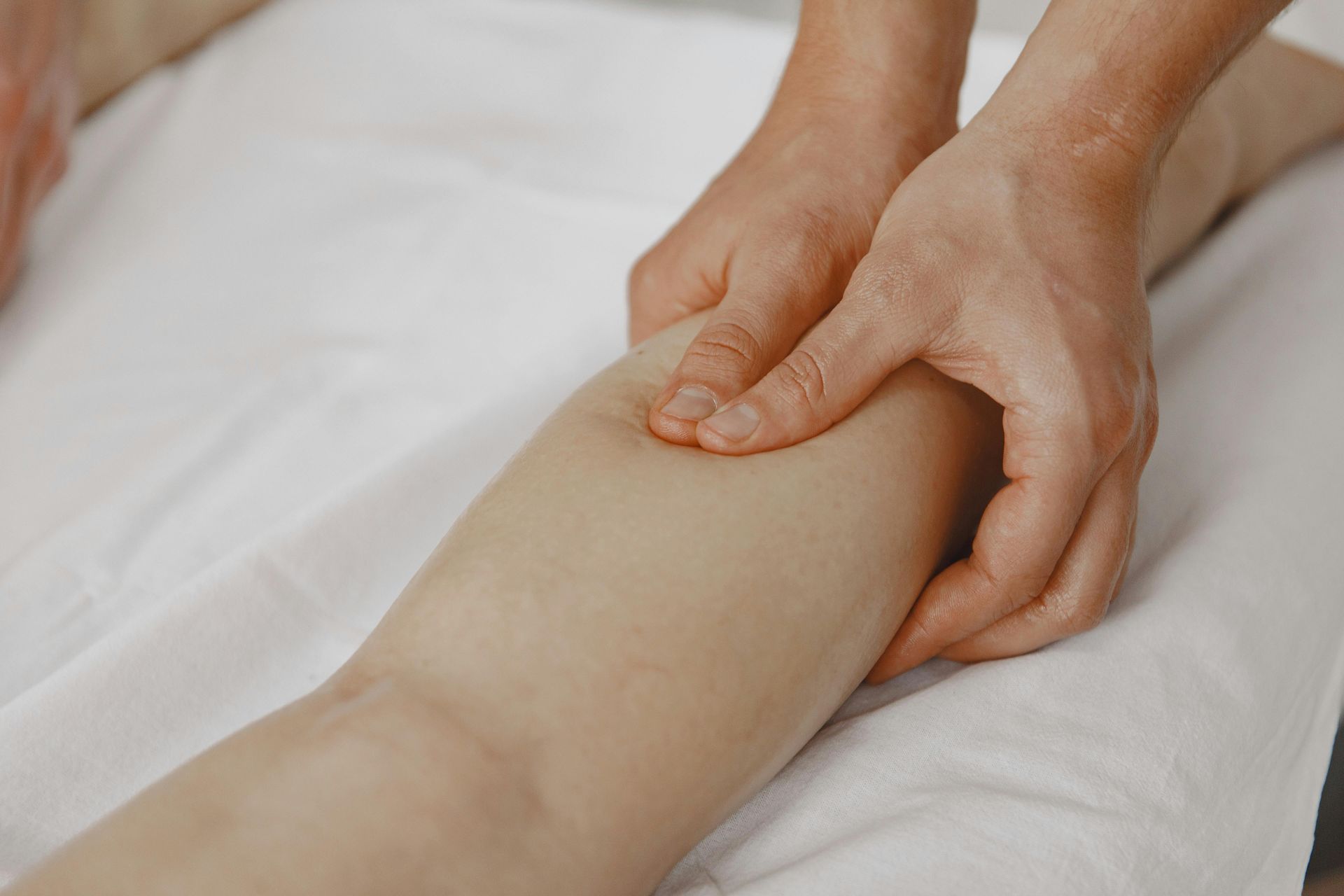
When tissue holds excess fluid that creates visible swelling or a sensation of heaviness, manual lymphatic drainage addresses the mechanical blockage preventing proper circulation through your lymphatic vessels. Presence Wellness llc performs this specialized technique in Redding using precise, rhythmic strokes that follow the anatomical pathways of lymph flow. The pressure remains deliberately light because lymphatic vessels sit just beneath the skin surface and respond to gentle stimulation rather than deep compression.
The lymphatic system moves clear fluid containing cellular waste, excess protein, and immune cells through a network of vessels that relies on external movement rather than a central pump like the cardiovascular system. Manual lymphatic drainage manually stimulates this flow when injury, surgery, or inflammation has overwhelmed the system's capacity or damaged the vessels themselves. The technique proves particularly effective after surgical procedures where tissue disruption has temporarily interrupted normal drainage patterns.
Arrange an assessment to determine which lymphatic pathways require support based on your swelling patterns.
What Proper Lymphatic Stimulation Requires
Each stroke follows the direction of lymph flow toward the nearest functional lymph node cluster, using a specific pressure light enough to avoid collapsing the thin-walled lymphatic vessels. The practitioner begins by clearing the terminus where the lymphatic system drains into the venous system near the collarbone, then works progressively outward to create a pressure gradient that encourages fluid movement from congested areas toward functioning drainage sites. Treatment addresses both the primary pathways and the collateral routes the body develops when primary channels are blocked.
Presence Wellness llc applies manual lymphatic drainage with attention to the subtle anatomical variations that affect how fluid accumulates and drains in different body regions. Following treatment, you'll notice reduced circumference in swollen areas as trapped fluid begins moving through restored drainage pathways. Tissue that felt tight and congested develops a softer texture as the excess protein and inflammatory mediators clear from the interstitial spaces.
The technique differs fundamentally from traditional massage because lymphatic vessels respond to stretch and gentle pumping motions rather than deep pressure. Sessions may also include breathing cues that utilize the pressure changes created by diaphragm movement to assist lymphatic flow through the thoracic duct. The work complements medical treatment for lymphedema, post-surgical recovery, and inflammatory conditions where fluid accumulation creates secondary complications.
Common Questions About This Service
Understanding how manual lymphatic drainage differs from other bodywork helps set appropriate expectations for treatment outcomes.
What makes this technique different from regular massage?
The strokes use far lighter pressure and follow specific anatomical pathways mapped to the lymphatic system's structure, stimulating fluid movement through vessels that collapse under traditional massage pressure.
How soon after surgery can manual lymphatic drainage begin?
Most practitioners can begin gentle work within days of surgical closure once the physician confirms wound stability, with the technique proving most beneficial when started early to prevent fibrosis from organizing in congested tissue.
Why does the pressure feel so light during treatment?
Lymphatic vessels sit immediately beneath the skin and respond to gentle stretching of their walls rather than deep compression, making light touch more effective than firm pressure for stimulating lymph flow.
What should I expect regarding fluid reduction after one session?
You'll typically notice decreased swelling within hours as accumulated fluid begins draining, though tissue that has been congested for extended periods requires multiple sessions to fully restore normal circulation patterns.
How does manual lymphatic drainage support immune function?
The technique moves lymph fluid containing immune cells through lymph nodes where those cells encounter and respond to pathogens, while also clearing inflammatory debris that can suppress immune response when allowed to accumulate in tissue.
Presence Wellness llc provides manual lymphatic drainage as part of comprehensive recovery support for surgical patients and those managing chronic inflammatory conditions. Request a consultation to discuss how this specialized work addresses your specific fluid retention patterns.